There was a time in my life when I hid all my cookbooks in the basement.
A weight-loss coach back then had told me to “get rid of all the food porn.” No cooking shows. No recipe browsing. No glossy cookbooks on the counter. It was all “too tempting,” she said. (And, yes, I paid $5000 for this advice.)
But I believed her.
So I boxed up my cookbooks , even the ones I loved, the ones with soup stains on the pages and little notes in the margins, and tucked them away like contraband.
Because I thought that if I even looked at food, I’d lose control.
It’s wild to think about that now. Back then, I truly believed that discipline meant deprivation, that health meant suppression, and that control was the ultimate goal. I couldn’t yet see how much life I was shrinking out of myself in the process.
The myth of temptation
Diet culture is brilliant at twisting our instincts.
It teaches us that pleasure is dangerous, that desire must be distrusted, that satisfaction is something to earn rather than experience. It moralizes food — labeling some as good and others as bad — and then convinces us that even wanting the “bad” ones is a personal failure.
That’s the logic behind “food porn.” Avoid the trigger, you avoid temptation. Avoid temptation, you stay in control.
But what we’re really avoiding is aliveness.
Because when you’re restricting, physically or mentally, food becomes charged.
A photo of a brownie becomes a test of willpower. A bowl of pasta becomes a moral dilemma. You start to see food as something that could betray you at any moment. Your dinner plate becomes a battleground.
And the cruel irony here is that the more you try to control food, the more it controls you.
That’s because the problem isn’t the food; it’s the restriction itself.
Rediscovering warmth
Fast forward to this fall.
The nights are longer, the air is crisp, and all I want is soup — thick, steamy, fragrant, wrap-your-hands-around-the-bowl kind of soup.
So I went down to the basement and dug out those old cookbooks. And you know what? Flipping through them felt peaceful. Delightful, even.
The same photos that once made me feel guilty now made me feel warm, inspired, creative. I dog-eared a curried lentil soup, a roasted tomato bisque, and yes. even a good old chicken and dumpling. (I’m 80% plant-based, but it’s always nostalgia that brings me back to chicken soup.)
No anxiety or guilt. Just curiosity and pleasure.
That’s when it hit me: I’m not obsessed with food anymore, but I’m also not disconnected from it.
I’m in relationship with it.
And that relationship feels like any healthy one should: full of trust, respect, and joy in each other’s company.
Food as relationship
For years, I related to food like an adversary. Something to conquer or manage, or to at least manipulate into compliance.
But food isn’t our enemy. It’s one of our earliest forms of connection — to family, to culture, to comfort, to ourselves. So when we strip food of that meaning, we don’t just lose pleasure; we lose belonging.
And when we begin to rebuild trust around food — to eat when we’re hungry, to honor satisfaction, to let our senses lead — something beautiful happens. We realize food has been waiting for us all along. Patiently. Kindly.
We realize that neutrality, rather than obsession or avoidance, is what gives us true choice.
Pleasure as a health practice
Diet culture taught us that pleasure was the opposite of discipline.
But that’s completely backwards. Pleasure activates the parasympathetic nervous system — the “rest and digest” branch that helps your body absorb nutrients, regulate blood sugar, and signal satisfaction.
When we savour our food, I mean really taste it, smell it, and feel it, our digestion improves, our stress hormones drop, and we actually metabolize food more effectively.
Pleasure is not a threat to health. It’s part of health.
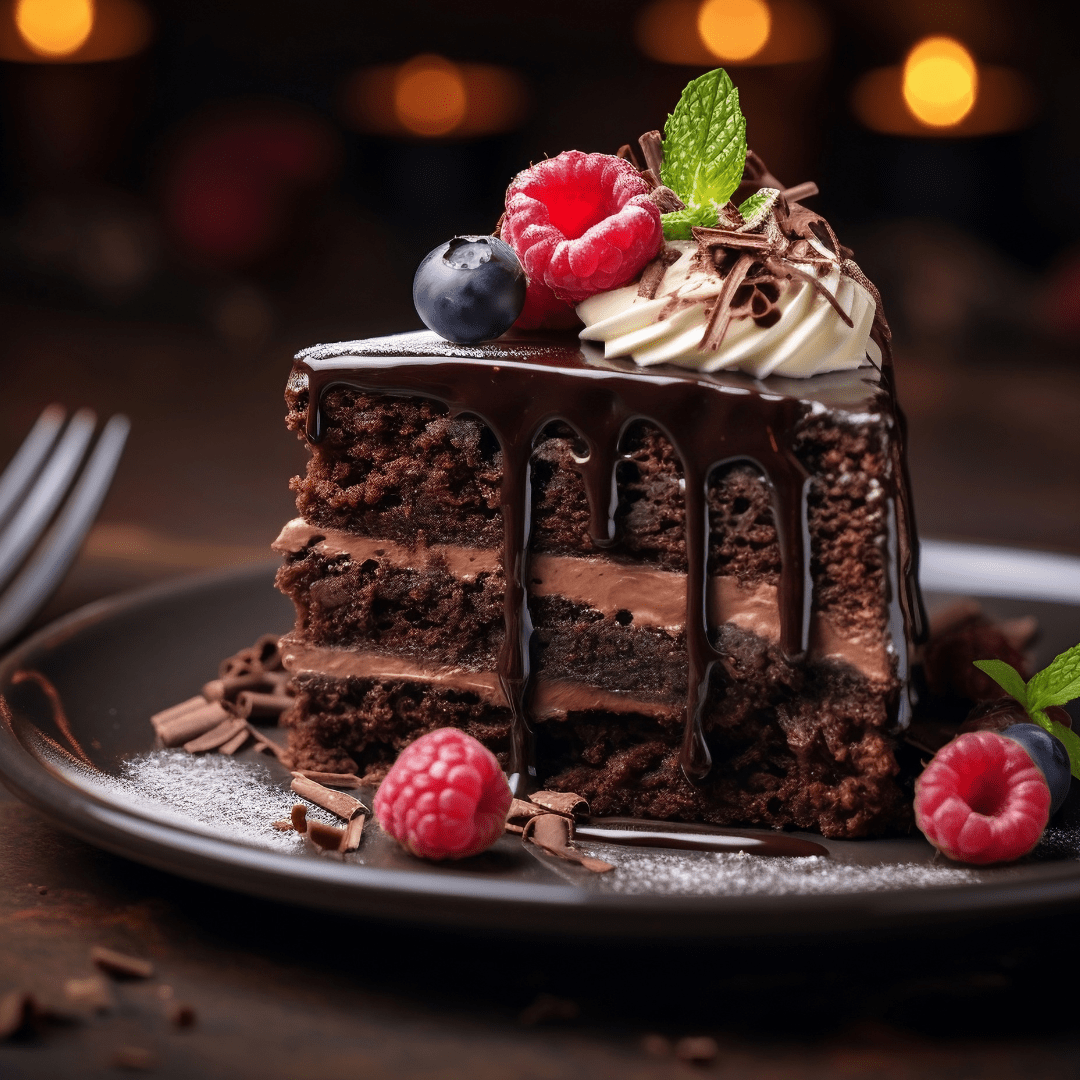
And visual pleasure counts too. Looking at beautiful food, planning meals, or watching someone cook can all be nourishing when they come from trust rather than fear.
That’s the difference between thinking, “I wish I could have that,” and thinking, “That looks delicious. I’d love to make that sometime.”
One comes from scarcity; the other from abundance.
Reclaiming “food porn”
Maybe it’s time to retire the term altogether. Or maybe we just need to reclaim it.=
Because food is sensual in the truest, most human sense. It touches every sense we have: the aroma, the color, the warmth, the texture, the sound of a knife against a cutting board.
When we shame that, we disconnect from something deeply life-giving.
An invitation
So here’s my invitation to you this week:
When you flip through a cookbook or see photos of delicious food online, notice what comes up. Do you feel curiosity, warmth, inspiration — or guilt and fear?
If it’s the latter, what would it look like to slowly invite pleasure back in?
Maybe it starts with a cooking show you used to love. Maybe it’s a cozy meal that makes your kitchen smell like home. Maybe it’s simply lighting a candle and eating something you truly enjoy…slowly, intentionally, with all your senses awake.
Because food isn’t the enemy. Neither is pleasure. The real enemy is the belief that you don’t deserve either.