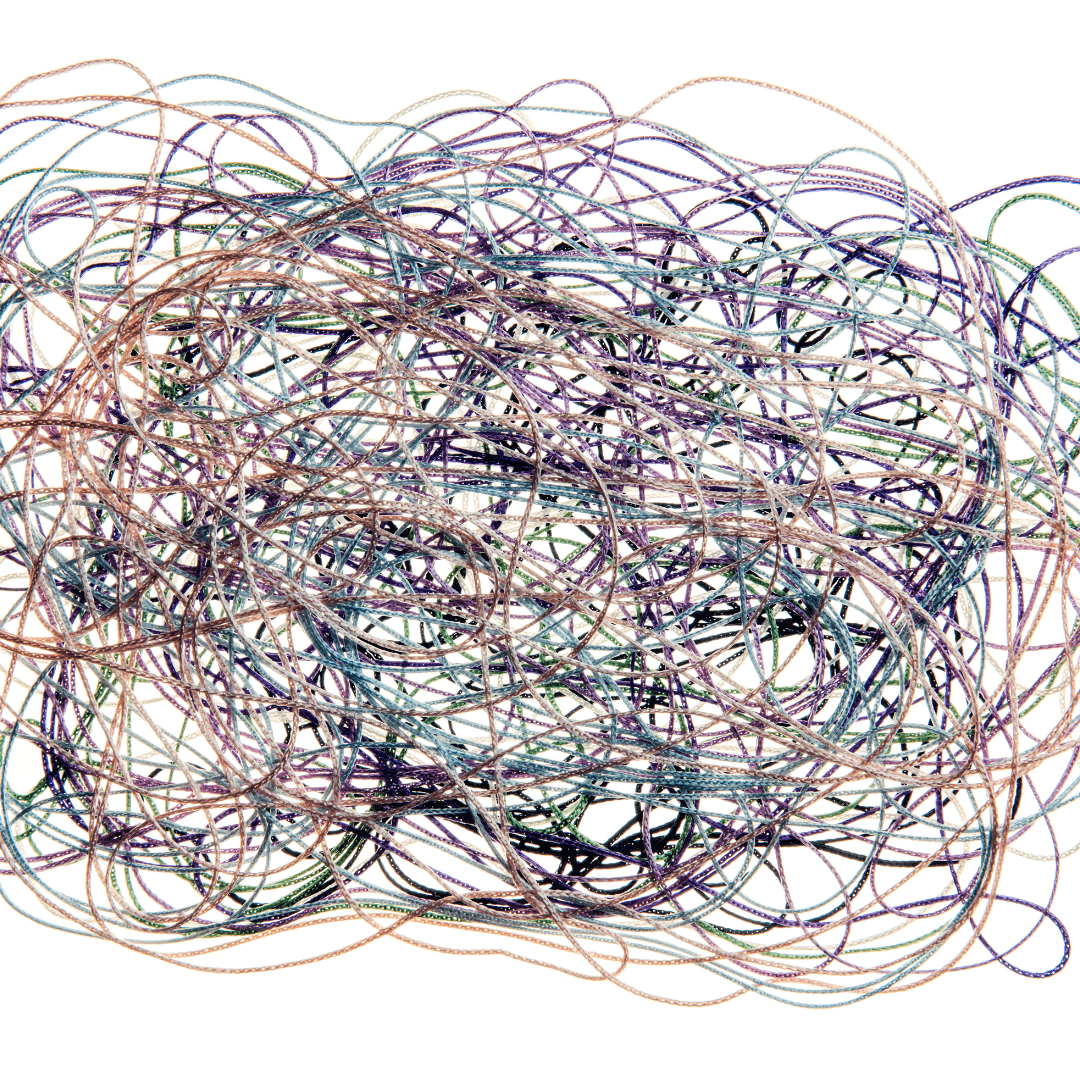
For the past few weeks, my eating has felt… off. Not in the dramatic ways we often imagine when we talk about “struggles with food.” There have been no binges, no spirals, no emotional eating episodes. What I’ve been experiencing is much quieter, subtler, and honestly, a little bit sneaky.
It’s what I’ve started calling chaotic eating—that slow drift into irregular meals, accidental hunger, and reactive choices. It’s looking up and realizing it’s four o’clock and you still haven’t eaten. It’s grabbing cheese and crackers because your brain is foggy, your stomach is aching, and you just need something. It’s eating based on urgency, not connection.
And even as someone who teaches intuitive eating and body trust every day, here I am… finding myself in it again.
This season of my life has been very “lifey”—travel, disrupted routines, long work hours in the ER, seasonal shifts, and the ongoing mystery of navigating a perimenopausal body that seems to update its user manual weekly. Foods I once loved now give me heartburn. Others leave me bloated. Bread is suddenly hit or miss. Spicy food? Forget it. Raw vegetables? Not today.
Add in the decision fatigue of constantly trying to figure out what won’t hurt my stomach, a fridge that hasn’t been stocked properly, and a life rhythm that feels louder than usual, and it’s no wonder I’ve drifted into chaos with food.
Maybe you’ve been there too.
What Chaotic Eating Really Is
Chaotic eating isn’t a lack of discipline. It’s not evidence that you’re “failing” at intuitive eating. And it’s not a personal flaw.
Chaotic eating is usually a reflection of a chaotic life.
It happens when:
- Your schedule is overflowing
- You’re exhausted or running on fumes
- Your body is changing in ways you don’t fully understand
- You don’t have food readily available
- You’re overwhelmed by decisions
- You’re emotionally drained
- Old diet-culture echoes creep back in
The most important thing to understand is that food doesn’t exist in a vacuum. Your eating patterns are part of the ecosystem of your life. When life becomes chaotic, eating often follows.
When we skip meals, override hunger cues, or rely mainly on convenience foods, our bodies adapt quickly. Hunger cues quiet. Fullness becomes harder to recognize. Cravings intensify. Irritability increases. Mental fog sets in. And the less attuned we feel, the harder it becomes to choose what truly nourishes us.
Chaotic eating creates the conditions for chaotic eating to continue.
So the way back isn’t about willpower. It’s about compassion, structure, and capacity.
Why We Drift Into Chaotic Eating
There are many entry points into this pattern, and they often pile onto one another:
1. Overworking and Busyness
When everything feels urgent, feeding yourself becomes optional. Hunger gets pushed to the background. Meals feel like one more task you don’t have energy for.
2. Decision Fatigue
Some days, “What do you want for supper?” might as well be, “Solve world peace right now.” When your brain is spent, avoidance kicks in, and so does accidental starvation.
3. Hormonal Changes
Perimenopause and menopause (and even PMS) can shift digestion, appetite, cravings, and food preferences. Suddenly, your old standbys don’t feel good anymore, and figuring out new options requires bandwidth you don’t always have.
4. Lack of Food Preparedness
A chaotic fridge leads to chaotic eating. No groceries, no plan, no energy to cook—it’s a perfect storm.
5. Emotional Exhaustion
Even when you’re not emotionally eating, being emotionally spent can make the basics, like feeding yourself, feel like climbing a mountain.
6. Old Diet Culture Voices
Every now and then, those old whispers creep in: “You don’t really need to eat yet,” or “You should be able to push through.” But the truth is, your body does need regular nourishment.
These patterns are not personal failures. They’re reminders that something in your life needs support.
Finding Your Way Back—Gently
When you’re in a chaotic season, you don’t need discipline. You need care. And the antidote to chaos isn’t controlling your food—it’s creating enough steadiness to hear your body again.
Here’s what that can look like:
1. Start With Rhythm, Not Rules
Rigid meal plans backfire. Instead, try restoring simple touch points with food:
- Something in the morning
- Something mid-day
- Something in the evening
Even if it’s small. Even if it’s imperfect. The goal is consistency, not “three perfect meals a day.”
Rhythm rebuilds trust.
2. Use Bridge Foods
Bridge foods are the foods that help you move from chaos back to nourishment. They’re:
- Easy
- Gentle on your system
- Familiar
- Reliable
- Low-prep
- Predictable
For me right now, that looks like yogurt, cheese and crackers, boiled eggs, bakery bagels, soups, nuts, fruit, and the occasional Booster Juice smoothie. Not fancy. But doable.
And doable is the key to shifting out of chaos.
3. Reduce Decision Fatigue
You don’t need a colour-coded meal plan. Sometimes you just need 2–3 “go-to” meals you can repeat without thinking.
Predictability is a form of support.
4. Reconnect With Your Body Slowly
When hunger and fullness cues are quiet, asking “What do I want?” may not lead anywhere helpful. Instead, try:
What might my body need right now?
Protein? A complex carb? Something gentle? Something warm?
Logic and intuition can work together while your cues come back online.
5. Eat Before You’re Hangry
Counterintuitive, I know. But eating before you reach the desperation point helps restore the very cues that feel missing.
Think of it like relearning a language—your body needs practice.
6. Make Your Environment Work for You
A chaotic fridge fuels chaotic eating. So:
- Keep snacks visible
- Stock easy proteins
- Buy pre-chopped veggies if that helps
- Create your own “grab-and-go” shelf at home
- Put bridge foods within reach
This isn’t about morality. It’s about logistics.
7. Let It Be Imperfect
Perfection doesn’t belong here. Attunement requires gentleness, not pressure. And chaotic seasons require compassion, not criticism.
A single small step—choosing breakfast, stocking a snack, asking what your body might need—starts to shift everything.
What I’m Working On Right Now
As I navigate this season, here’s where I’m placing my energy:
- Accepting that my body has different needs in perimenopause
- Stocking the fridge with foods that feel good right now
- Creating a loose rhythm, especially around breakfast
- Letting Rob help by bringing snacks when I get absorbed in work
- Choosing compassion over pressure (a lifelong practice)
- Remembering that this is a season—not a flaw
And honestly? Just saying all this out loud feels grounding. Because if you’re in a chaotic eating season, I want you to know you’re not alone—and you’re not doing anything wrong.
Chaotic Eating Is Information, Not Failure
Your eating patterns are not a measure of your worth. They’re a reflection of your capacity, your life circumstances, your stress load, your hormones, your emotional bandwidth, your environment.
If things feel chaotic, it simply means your body is asking for support—not discipline.
You don’t need to overhaul everything at once. You don’t ever need perfect intuitive eating (in fact, it doesn’t exist). And don’t need to “get back on track.”
You just need one small moment of reconnection at a time.
And that’s enough.
If this resonates—if your eating feels a little chaotic these days—I’d love to hear what’s been going on for you. What’s one tiny thing that might make food feel a bit less overwhelming this week?
You can find me on Instagram or Facebook at @wayzahealth, or send me an email at michelle@wayzahealth.com.